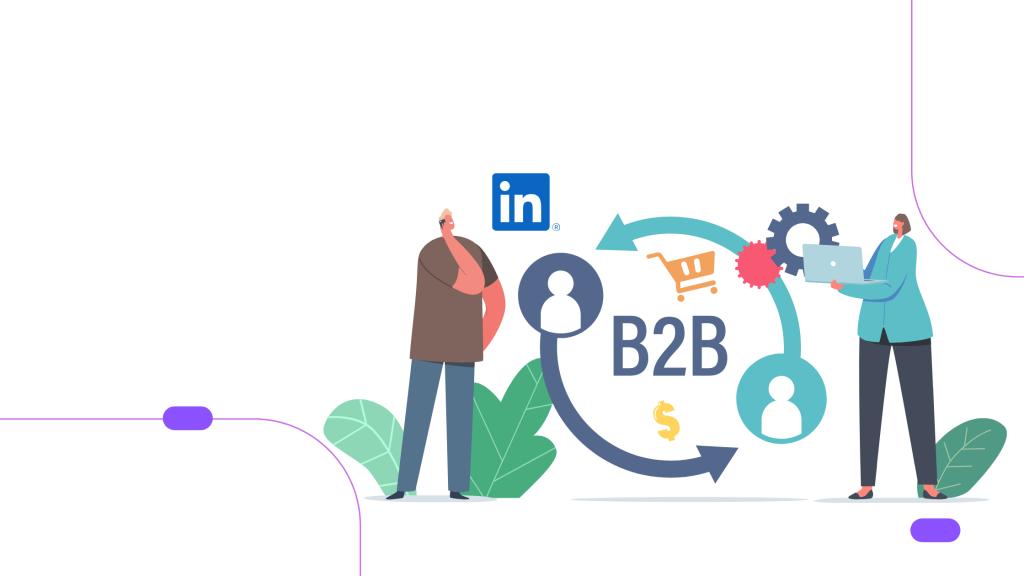

Who exactly is the B2B audience on LinkedIn, and how do they behave when an email lands in their inbox?
LinkedIn hosts professionals who plan, buy, hire, and decide, and understanding that group makes all the difference when you build an email campaign. This post walks through who that audience is, how they use LinkedIn, and how email works as a follow-up channel that converts attention into action.
Who makes up the B2B audience on LinkedIn?
LinkedIn’s audience tilts toward working professionals in their prime decision years. The largest single age group sits in the mid-twenties to mid-thirties window, and this group brings energy, curiosity, and buying influence to the platform. Four out of five b2b LinkedIn audience play a role in business decisions, which means the platform is a reliable place to reach people who influence purchases. Marketers often find stronger buying intent on LinkedIn than on general social media channels.
That mix of buyers, managers, and specialists creates a layered audience. Some people come to LinkedIn to learn, others to hire, and others to buy. Content that helps someone do one of those three things moves faster, and email that arrives after a helpful LinkedIn interaction lands with more credibility.

How B2B professionals behave on LinkedIn
People on LinkedIn read, share, and save posts that add professional value. They respond to clear ideas, quick case studies, and short takeaways that respect time. When content helps someone solve a problem or prepares them for a meeting, they engage and they remember the source.
LinkedIn also powers precise audience signals: job title, company size, industry, and seniority. Those signals help teams separate a general audience from target buyers. When you pair a focused LinkedIn message with follow-up email that keeps the same voice and promise, you create a tidy path from interest to action.
How email campaigns land with LinkedIn audiences
Email works best as a continuation of an interaction that began on LinkedIn. An email that echoes a conversation, a saved article, or a direct message feels familiar and earns attention. Benchmarks vary by report, but a useful frame is this: open and click rates in B2B email move by topic, list quality, and timing. Industry snapshots put B2B open rates in the low to mid-twenties percent range and show click rates around the low single digits, though some wider studies report higher averages depending on how opens are measured. The point is this: good lists and clear relevance raise opens and clicks more than clever subject lines alone.
A simple rhythm helps. Send a short email that references the LinkedIn touchpoint, offer a concise next step, and give a single, clear action. When recipients see continuity between platform and inbox, they respond faster.
What LinkedIn signals predict email success?
Three LinkedIn signals reliably predict better email engagement. First, direct engagement, likes, comments, or saved posts, shows active interest. Second, profile signals like seniority and decision-making levels indicate buying power. Third, recent activity pattern, frequent posting or consistent engagement, suggests availability to engage. When you build an email list from contacts who show those signals, your campaign starts ahead because the audience already recognises your name or brand.
Tools inside LinkedIn and common analytics let you sort by these signals so your follow-up email feels like a natural next step.

Simple tactics that lift response rates
Match language and tone across LinkedIn and email so audiences feel continuity. Use one clear objective per email and one call to action that fits the stage of the relationship. Personalise subject lines with the recipient’s company or a concise problem line and open with a sentence that recalls the LinkedIn interaction. Keep the message short and useful, and make it easy to take the next step. These small choices increase open and click rates because they reduce effort and increase relevance.
Timing matters. Send the follow-up email within a few days of the LinkedIn touchpoint while the connection is fresh. If someone downloaded content or asked a quick question, a faster follow-up raises the chance of a reply.
Measuring impact
Measure opens, clicks, replies, and the downstream action that matters to your business, such as demos booked or proposals requested. Benchmarks shift by industry and list health, but aiming for steady improvement is the best path. Reports show average B2B open rates in the low to mid-twenties and CTRs around 2–3 percent for many B2B programs, while broader surveys of email across industries report higher averages when lists are highly engaged. See these stats as a starting point. Focus on who you’re emailing, then refine the message and timing to push your numbers higher.
How to join LinkedIn and email into a single playbook
Start with a short experiment. Use a small, targeted audience from LinkedIn who engaged with a specific post or message. Send one email that references that touchpoint, offers a clear next step, and measures reply rate and conversion. Track how many recipients came from the LinkedIn interaction and which signals predicted action. Scale the approach when you see a pattern.
Keep learning from each send. Use simple tags and segments to remember which topic and which LinkedIn signal produced the best response. Over time, that small practice becomes an engine for predictable outreach.
Final thought
LinkedIn sits where professional attention and buying intent meet. Email works best as a friendly nudge that continues the story you begin on the platform. LinkedIn interactions can be used to spot the best people, keep the communication brief and valuable, and measure real results rather than just counting. Small continuous experiments form a reliable path from content to conversation to sale.
Zephora Consulting’s digital marketing serviceshelps teams turn LinkedIn interest into meaningful email responses through simple tests and clear measurements.
FAQ’s
- What is LinkedIn used for in B2B marketing?
LinkedIn connects professionals, helps build credibility, and finds people who make buying decisions. - How do I find decision makers on LinkedIn?
Use job titles, company filters, and industry search to target people who hold the right roles. - Can I build an email list from LinkedIn?
Yes, by connecting with relevant contacts, offering useful content, and inviting them to subscribe. - What makes a good B2B email subject line?
A clear subject that signals value and relevance gets the most attention. - How long should a B2B outreach email be?
Keep it short and focused so the reader understands the offer in a few sentences.