GCC Payroll Management Strategy: Managing Payroll Across Jurisdictions
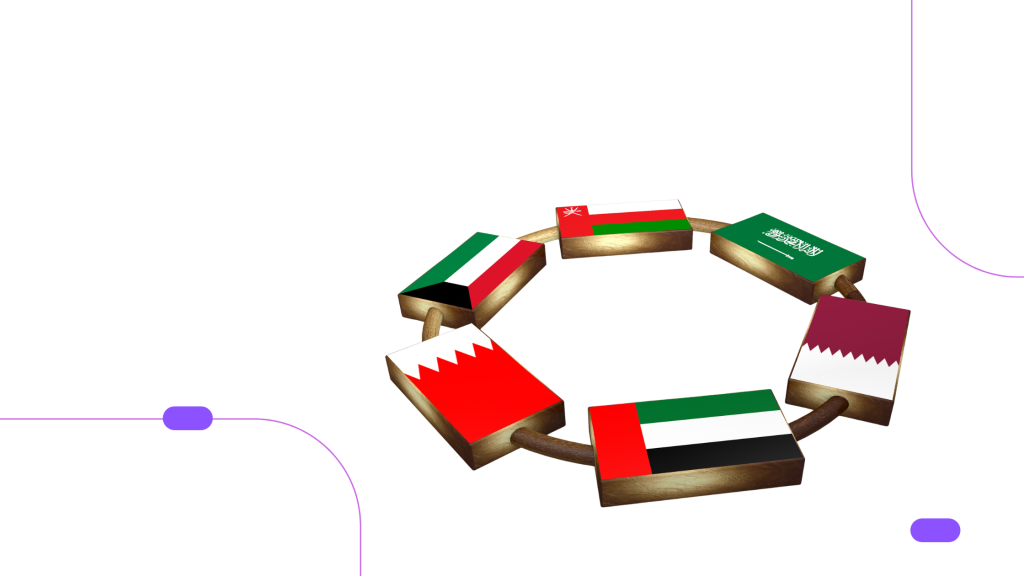
GCC payroll management has become a critical function for organizations operating across the Middle East. As businesses expand into the UAE, Saudi Arabia, Qatar, Oman, Kuwait, and Bahrain, they quickly realize that payroll is not just an administrative task it is a compliance-driven, multi-layered operation.
Each country within the GCC has its own labor laws, social security frameworks, reporting obligations, and payroll processes. Without a structured GCC payroll management strategy, businesses face risks such as compliance penalties, employee dissatisfaction, and operational inefficiencies.
This is why leading organizations are shifting toward a centralized yet flexible approach that balances governance with local compliance.
Understanding the Complexity of GCC Payroll Management
Managing payroll in a single country is already detail-oriented. Managing it across multiple GCC jurisdictions introduces an entirely different level of complexity.
Every country has its own:
- Wage protection systems (WPS in UAE and KSA)
- Social security structures (e.g., GOSI in Saudi Arabia, GPSSA in UAE)
- End-of-service benefit calculations
- Overtime and leave policies
- Reporting and documentation requirements
For example, payroll in the UAE is closely tied to WPS compliance, while Saudi Arabia requires alignment with GOSI and labor law provisions. Qatar, Oman, and Bahrain each bring their own frameworks that must be respected.
A fragmented approach to GCC payroll management often results in inconsistencies, delays, and increased compliance risk.
Key Challenges in GCC Payroll Management
1. Diverse Labor Laws Across Countries
Labor laws differ significantly across GCC countries. From working hours to termination benefits, every jurisdiction has its own requirements.
Failing to align payroll calculations with these laws can result in disputes, penalties, or reputational damage.
2. Social Security Variations (GOSI, GPSSA, etc.)
Social security contributions vary based on:
- Nationality (GCC nationals vs expatriates)
- Country-specific schemes
- Employer vs employee contribution rates
For example:
- Saudi Arabia uses GOSI
- UAE applies GPSSA for nationals
Incorrect handling of these contributions is one of the most common payroll errors in GCC payroll management.
3. Currency and Tax Differences
While most GCC countries do not impose personal income tax, payroll still involves:
- Multi-currency salary processing
- Exchange rate fluctuations
- Cost allocation across entities
Organizations operating regionally must ensure accurate FX handling and reporting alignment.
4. Regulatory Reporting Requirements
Each jurisdiction has its own reporting expectations:
- WPS file submissions (UAE, KSA)
- Social security filings
- Payroll documentation audits
Inconsistent reporting across countries can create gaps in compliance and audit trails.
Centralized vs Localized Payroll Models
Choosing the right operating model is essential for effective GCC payroll management.
Centralized Payroll Model
In a centralized model, payroll operations are managed through a single system and governance structure.
Key Features:
- Unified payroll platform
- Standardized processes
- Central reporting and visibility
Advantages:
- Better control and oversight
- Consistent data and reporting
- Easier integration with finance systems
Limitations:
- May lack flexibility for local compliance nuances
- Risk of missing country-specific requirements
Localized Payroll Model
A localized model allows each country to manage payroll independently.
Key Features:
- Country-specific payroll systems
- Local teams handling compliance
- Independent processes
Advantages:
- Strong local compliance alignment
- Flexibility in handling country-specific requirements
Limitations:
- Lack of standardization
- Limited visibility across regions
- Higher operational costs
Hybrid Model (Recommended Approach)
Most mature organizations adopt a hybrid model for GCC payroll management.
This approach combines:
- Central governance and policy framework
- Local execution for compliance
Benefits include:
- Consistency across countries
- Compliance with local laws
- Better control and reporting
This model allows organizations to maintain oversight while respecting regulatory differences.

Core Components of a GCC Payroll Management Strategy
A well-structured GCC payroll management strategy is built on several key pillars:
1. Standardized Payroll Policies
Organizations must define unified payroll policies across all GCC operations.
This includes:
- Salary structures
- Allowances and benefits
- Payroll cycles
- Overtime rules
Standardization ensures consistency while allowing flexibility for local adjustments.
2. Local Compliance Mapping
Each country’s legal and regulatory requirements must be mapped and embedded into payroll processes.
This includes:
- Labor law compliance
- Social security contributions
- WPS requirements
- End-of-service calculations
Without proper compliance mapping, payroll errors become inevitable.
3. Technology Integration
Modern GCC payroll management relies heavily on technology.
Organizations should adopt:
- Multi-country payroll platforms
- ERP integrations
- Automated compliance checks
A single platform with localized configurations can significantly improve efficiency and accuracy.
4. Currency and Cost Management
Managing payroll across multiple currencies requires:
- FX rate standardization
- Cost allocation mechanisms
- Consolidated reporting
Finance and payroll teams must work closely to ensure alignment.
5. Governance and Control Framework
A strong governance model ensures that payroll processes remain consistent and compliant.
This includes:
- Approval workflows
- Audit trails
- Segregation of duties
- Regular compliance reviews
Governance is often the most overlooked aspect of GCC payroll management, yet it plays a critical role in risk mitigation.
Key Risk Areas in GCC Payroll Management
Organizations must be aware of the major risk areas:
1. Misalignment with Local Labor Laws
Failure to comply with country-specific labor laws can result in:
- Legal disputes
- Financial penalties
- Employee dissatisfaction
2. Incorrect Social Security Contributions
Errors in GOSI or GPSSA calculations can lead to:
- Compliance violations
- Financial exposure
- Regulatory scrutiny
3. Inconsistent Payroll Reporting
Lack of standardized reporting creates:
- Data inconsistencies
- Poor decision-making
- Audit challenges
4. Manual Processes and Errors
Manual payroll processing increases the risk of:
- Calculation errors
- Delays
- Lack of audit trails
Automation is essential to reduce these risks.
Strategic Insight: Payroll as an Operating Model
One of the most important shifts organizations need to make is recognizing that:
Multi-country payroll is not an extension of local payroll it is a separate operating model.
This means:
- Dedicated governance structures
- Integrated systems
- Defined policies and controls
Organizations that treat payroll strategically rather than operationally gain a significant advantage in scalability and compliance.
Best Practices for Effective GCC Payroll Management
To build a strong GCC payroll management framework, organizations should:
- Adopt a hybrid payroll model
- Invest in multi-country payroll technology
- Standardize policies while allowing local flexibility
- Conduct regular compliance audits
- Align payroll with finance and HR functions
- Build internal expertise or partner with specialists
These practices ensure long-term sustainability and reduce operational risk.
How Zephora Consulting Supports GCC Payroll Management
At Zephora Consulting, we understand the complexities of managing payroll across GCC jurisdictions.
We support organizations with:
1. GCC Payroll Strategy Design
Developing structured payroll frameworks aligned with business expansion plans.
2. Multi-Country Compliance Advisory
Ensuring compliance with labor laws, WPS requirements, and social security regulations.
3. Payroll System Integration
Implementing and optimizing multi-country payroll platforms.
4. Cross-Border Payroll Structuring
Designing payroll models that support regional operations efficiently.
Conclusion
As businesses expand across the GCC, payroll becomes a strategic function rather than a back-office task.
A well-designed GCC payroll management strategy ensures:
- Compliance across jurisdictions
- Operational efficiency
- Consistent employee experience
Organizations that invest in the right model, systems, and governance structures will be better positioned to scale across the region without unnecessary risk.