What if your everyday HR data could clearly tell you who to hire, how to pay them, and who to keep?
People Analytics UAE does exactly that by turning routine HR signals into clear decisions on hiring, pay, performance and retention. At Zephora Consulting, we help organizations make that shift with
Human Capital Intelligence, HR analytics, and practical performance management, so workforce planning becomes precise. In this blog, we discuss how people analytics and clear job architecture make workforce planning smarter, help analyze retention potential, and improve pay and promotion decisions.
Importance of people analytics
The market for workforce analytics and AI-driven HR tools is growing fast because leaders want clearer signals about their people. Vendors and in-house teams are helping firms across the Gulf and beyond measure things they once guessed. These tools move HR out of firefighting and into planning: instead of scrambling when people leave, leaders can spot who might go and why, and act before it turns into a crisis. Analysts now expect strong growth in AI in HR and HR analytics as organisations invest in data-driven HR.
Job architecture and clearer career paths
Good job architecture is the backbone of workforce planning. When roles are clearly defined, people analytics can compare jobs across teams, set fair pay bands, and map real career paths.
That clarity is important because employees expect visible growth and fair grading. Organisations that build a solid job architecture get two practical wins: they reduce confusion in hiring and they make retention forecasts more reliable. Mercer and other HR advisers are seeing more clients prioritise job architecture projects as the next step in data-driven HR. To support this, our Human Capital Advisory services help organisations build consistent job structures aligned with global standards.
How data changes workforce planning
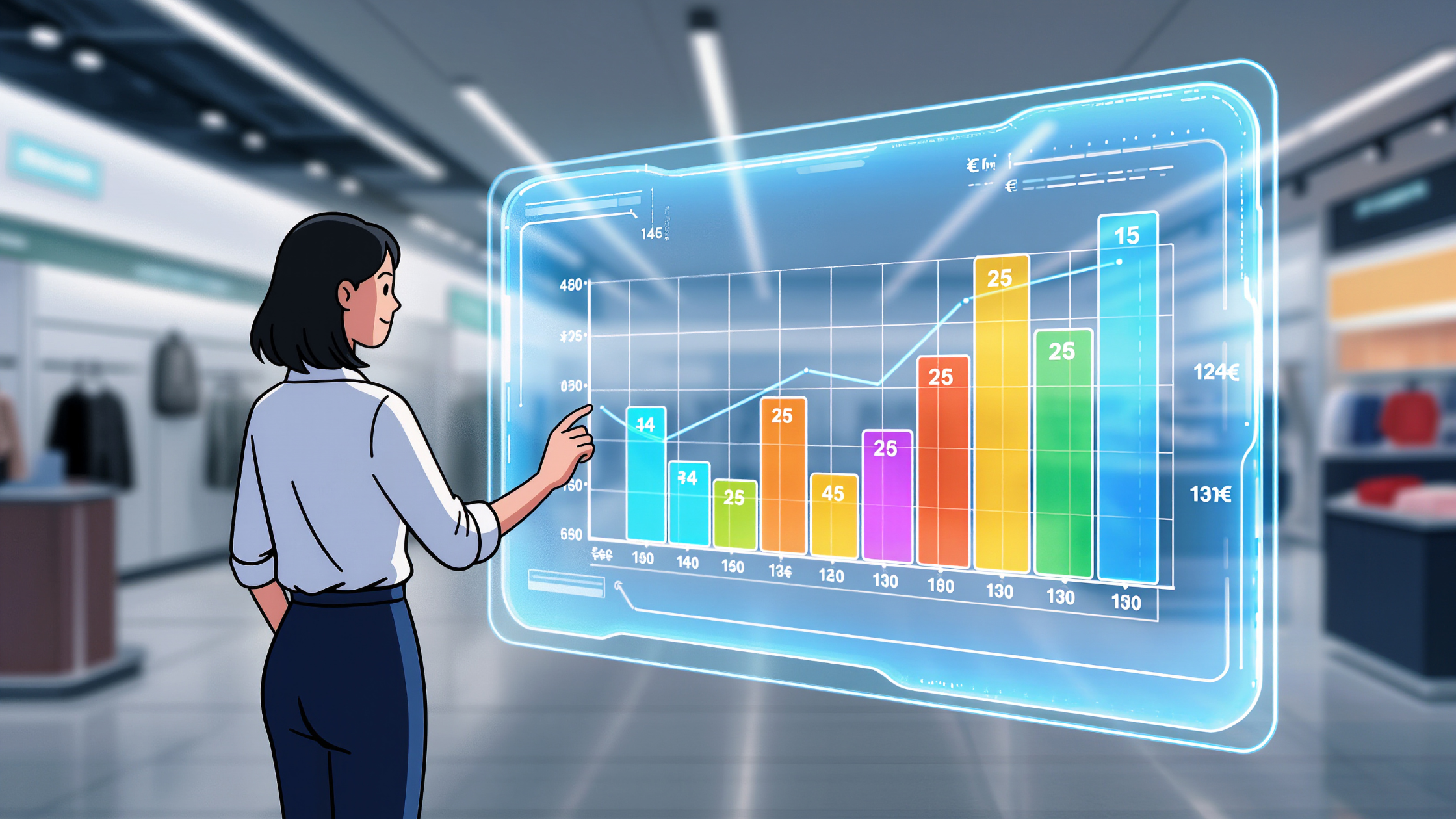
Workforce planning used to be once in a blue moon thing. Today it is a rolling conversation powered by HR data insights and people analytics. HR teams combine hiring pipelines, performance scores, learning activity and market salary data to predict capacity gaps and hiring needs. That results in a plan that adapts with the business instead of one that sits in a drawer. With basic predictive HR models, teams can estimate how many hires are needed next quarter, which roles are likely to face shortages, and where internal mobility would close gaps faster than external recruitment. Our Digital Solutions help automate this process for UAE organizations.
Retention forecasting and practical impact
Retention forecasting is one of the clearest wins for workforce analytics. Machine learning models trained on past performance, engagement surveys, promotion history and other signals can flag employees at risk of leaving. Academic and industry studies show these models can be accurate enough to drive targeted interventions. When HR teams act on these signals offering coaching, clearer career steps turnover costs fall and continuity improves. This is not magic; it is applied data science plus good people management.
AI-based performance mapping that actually helps
Performance mapping used to rely on long annual review forms and numeric ratings. Today, AI-based performance mapping works very differently. It gathers real-time data such as short-term results, manager feedback, and employee learning progress. All this information is shown on dashboards that highlight each person’s strengths and areas for improvement. These dashboards help managers create personalized development plans and allow HR teams to identify high-potential employees. With proper governance in place, AI tools provide timely and evidence-based insights, helping managers make decisions based on data rather than intuition.
What success looks like in simple terms?
A data-driven HR function usually shows three clear strengths. First, decisions become faster because teams have the right information at the right time. Second, workforce planning becomes more proactive as data forecasts highlight potential risks before they happen. Third, the organization gains greater confidence in promotion and pay decisions since job structures and performance data align. At Zephora Consulting, we see these advantages consistently when clients combine Human Capital Intelligence with modern performance management systems.

Common pitfalls and how to avoid them
People analytics can be incredibly powerful, but it often goes wrong when the data or governance behind it is weak. If job roles aren’t clearly defined, comparisons between employees lose meaning. When HR systems are disconnected, important insights are missed. And when predictive models are trained on biased historical data, they repeat past mistakes. The solution is straightforward: create a clear job architecture, connect all HR data sources, and regularly check predictive models for bias and accuracy.
A simple governance checklist can help keep everything on track defining clear roles for data owners, scheduling audits, and ensuring human review. Our Compliance Services also help organizations strengthen governance frameworks.
Practical steps to get started
Begin with a focused question and one reliable dataset. For example, ask which team has the highest voluntary turnover and why. Use people analytics to combine exit reasons, engagement scores and promotion history. Build a short experiment, measure impact, and scale what works. Pair these experiments with a job architecture refresh so that the insights are comparable across teams. If you prefer a guided approach, Human Capital Intelligence services can help set up the data, and Performance Management teams can translate findings into day-to-day manager actions.
A word on ethics and trust
Data-driven HR relies heavily on trust. Employees must know what data is collected and why.
People analytics should always lead to decisions that are transparent, verifiable, and backed by human judgment. Organizations that use people data ethically are the ones that succeed in scaling analytics.
The best approach is open communication, data de-identification when possible, and clear routes for employees to appeal automated decisions.
Closing thought
People analytics in the UAE and beyond is transforming HR from an art into an applied science while keeping the art where it matters. By employing well-defined job architecture, meticulous workforce planning, and AI-driven performance mapping, corporations achieve clarity and insight while still relying on human judgment. For organizations seeking a practical and low-risk starting point, Zephora Consulting collaborates with global leaders in Human Capital Intelligence and Performance Management to turn data into decisions.
FAQ’s
1. What is people analytics in HR?
It means using data about employees, like performance, skills, and turnover in order to make better HR decisions.
2. How does people analytics help companies?
It aids organizations in workforce planning, compensation management, predicting resignations, and enhancing team performance.
3. Is people analytics only for big companies?
Definitely not. Small and medium-sized businesses can also use simple tools to gain insights into their workforce.
4. What kind of data is used in people analytics?
HR data like attendance, performance reviews, promotions, training records, and employee surveys.
5. Can people analytics predict which employees might leave?
Yes, it can spot patterns such as falling engagement or reduced learning activity that typically happen before an employee quits.
For additional reading, you may visit
Harvard Business Review.